
USDA Loan Requirements: What I Wish Someone Told Me Before I Started
Advertisements
Did you know the USDA backs loans that let you buy a home with absolutely zero dollars down? Zero! I didn’t believe it either until I stumbled into this whole world a few years back while helping my sister house-hunt. She was so stressed about saving for a down payment, and honestly, so was I when I started looking at my own options later. That’s when USDA loans became my obsession, and I’ve been recommending them to anyone who’ll listen ever since!
If you’re tired of hearing “20% down” like it’s some sacred rule, stick around. USDA loan requirements are way more forgiving than most folks think, and I’m gonna walk you through it like I’m explaining it to my neighbor over the fence.
What Even Is a USDA Loan?
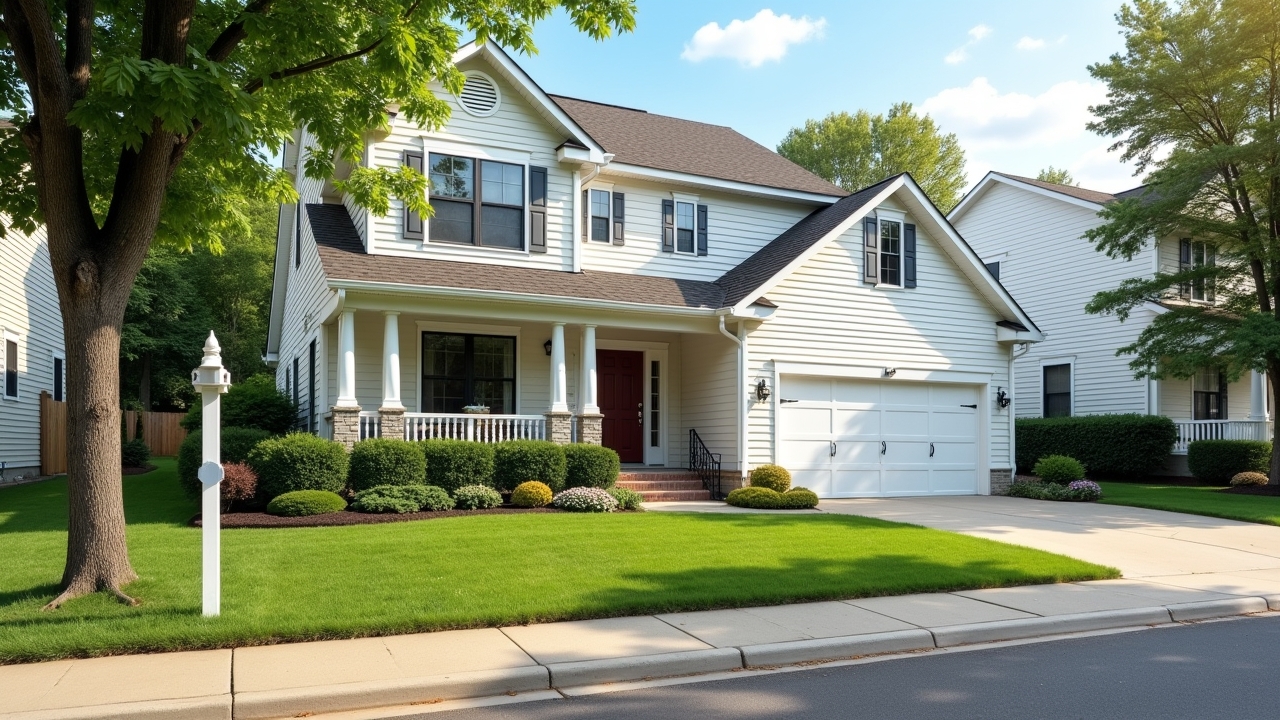
So here’s the deal. The USDA’s Single Family Housing Guaranteed Loan Program was created to help folks in rural and suburban areas buy homes without needing a mountain of cash upfront. I always thought “rural” meant middle-of-nowhere farmland, but that’s actually not true at all.
A lot of suburbs technically qualify too. My cousin bought a house fifteen minutes from a mid-sized city and it still counted as USDA-eligible. Wild, right?
The Basic USDA Loan Requirements
Okay, let’s get into the nitty gritty. There’s a handful of boxes you gotta check, and I’ll be honest, I messed up on one of these myself the first time around.
- Property location: The home has to be in a USDA-eligible rural or suburban area. You can check this on the USDA eligibility map tool.
- Income limits: Your household income can’t exceed 115% of the area’s median income. This trips people up constantly.
- Credit score: Most lenders want to see at least 640, though some will work with lower scores case by case.
- Primary residence: The home must be your primary residence, not a vacation spot or rental property.
- Debt-to-income ratio: Generally you want this under 41%, though there’s some wiggle room depending on the lender.
I remember checking the eligibility map for a cute little house I found online, and I was CONVINCED it wouldn’t qualify because it was only 20 minutes from downtown. Turns out it was smack in an eligible zone. I actually did a little happy dance in my kitchen, no shame.
Income Limits Are Trickier Than They Sound
This is the part that confuses everyone, myself included at first. The income limit isn’t just based on your salary; it’s your household income, meaning everyone living in the home, even if they’re not on the loan.
My buddy almost got disqualified because his adult son was living with him temporarily and that income got counted. He was frustrated as heck about it, honestly, and so was I on his behalf. Eventually it worked out because his son moved out before closing, but man, that was stressful for both of them.
Advertisements
Here’s a tip from experience: talk to your lender early about who’s living in the house long-term. Don’t wait until underwriting to bring it up.
Credit Score Stuff Nobody Explains Well
Most articles just throw out “640” like it’s gospel truth, but lenders have flexibility here. I’ve seen approvals happen with scores in the 620s when other factors, like a low debt-to-income ratio or solid rental payment history, are strong.
That said, don’t go in assuming you’re the exception. Get pre-approved early so there’s no surprises later. I learned this the hard way when I assumed my credit was “good enough” and got a rude awakening from my loan officer.
Don’t Forget About the USDA Guarantee Fee
There’s an upfront guarantee fee (usually around 1% of the loan) and an annual fee (around 0.35%) that gets rolled into your monthly payment. It’s not free money, even though the zero-down part makes it feel that way sometimes.
I’ll be real, I forgot about this fee entirely during my first go-round and it threw off my budget calculations for like a week. Learn from my mistake and factor it in from day one.
Quick Checklist Before You Apply
- Confirm the property’s location on the USDA eligibility map
- Calculate your household income against local limits
- Pull your credit report and check your score
- Get pre-approved with a lender familiar with USDA loans
- Budget for the guarantee fee and annual fee
Why This Loan Might Be Your Best Bet
Look, USDA loans aren’t for everybody. If you’re set on living in a major city center, this probably won’t work for you. But if you’re open to suburban or rural living, and you’re tired of the down payment grind, this program genuinely changed the game for people I know personally.
My sister ended up using one of these loans, by the way. She closed on her house last spring and still talks about how relieved she felt not having to save for years just to get in the door.
Understanding USDA loan requirements can feel like a lot at first, but honestly, once you break it down piece by piece, it’s totally manageable. Every situation is different, so make sure you customize this info to your specific financial picture and always double check with a licensed lender before making big decisions. And hey, mortgage stuff can get complicated, so don’t be afraid to ask questions until things click.
If you found this helpful, do yourself a favor and check out more guides over at the Loanestic blog. There’s a ton of practical, no-nonsense info there that might just save you some headaches down the road!